Learning resources
Browse our free digital learning resources.

Browse our free digital learning resources.
Our free digital learning resources are designed to support and enrich the study of key curriculum subjects, through expert articles, films, creative activities, collection items and teachers’ notes. Browse our literature and history pages to inspire your students and deepen your subject knowledge.
In 2023 the Library experienced a significant cyber-attack that disrupted many of our services. We are working to restore full functionality. Currently only a small selection of our digital resources are available, via the Padlet platform, so we've prioritised those we know teachers use the most.
Explore over 130 of our best-loved English literature articles, perfect for teachers of years 10–13.
Take your students right to the source. Energise your KS3, GCSE or A-Level classroom with resources to support the study of migration and empire. Find out more about our Discovering Historical Sources resources.
Activities and resources developed with beloved authors and illustrators to support primary schools in developing a culture of reading for pleasure, writing for pleasure, book-making, drafting and illustration.
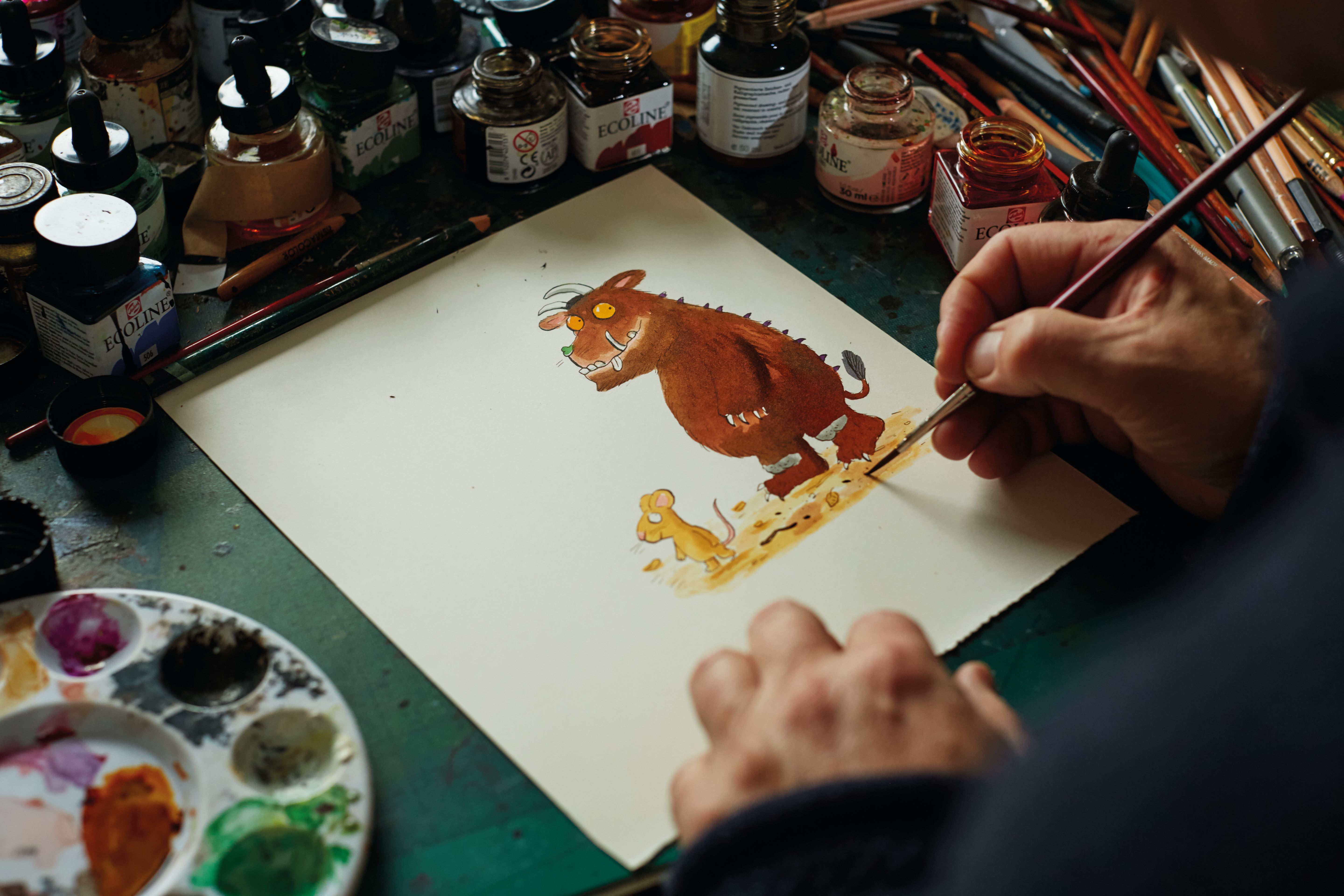
Explore a bank of book recommendations and creative activities to enliven your students’ connection with books.
Articles, sources and activities to inspire the teaching of English, Citizenship, History, Politics and Sociology across KS3, GCSE or A-level.

Trace the long and diverse history of South Asians in Britain through photographs, posters, newspapers and sound recordings.

Explore political events and personal testimonies surrounding the independence of India and creation of Pakistan in 1947.


