Skip to content

Papers of Arthur John Hopkinson, Indian Civil Service 1920–1947

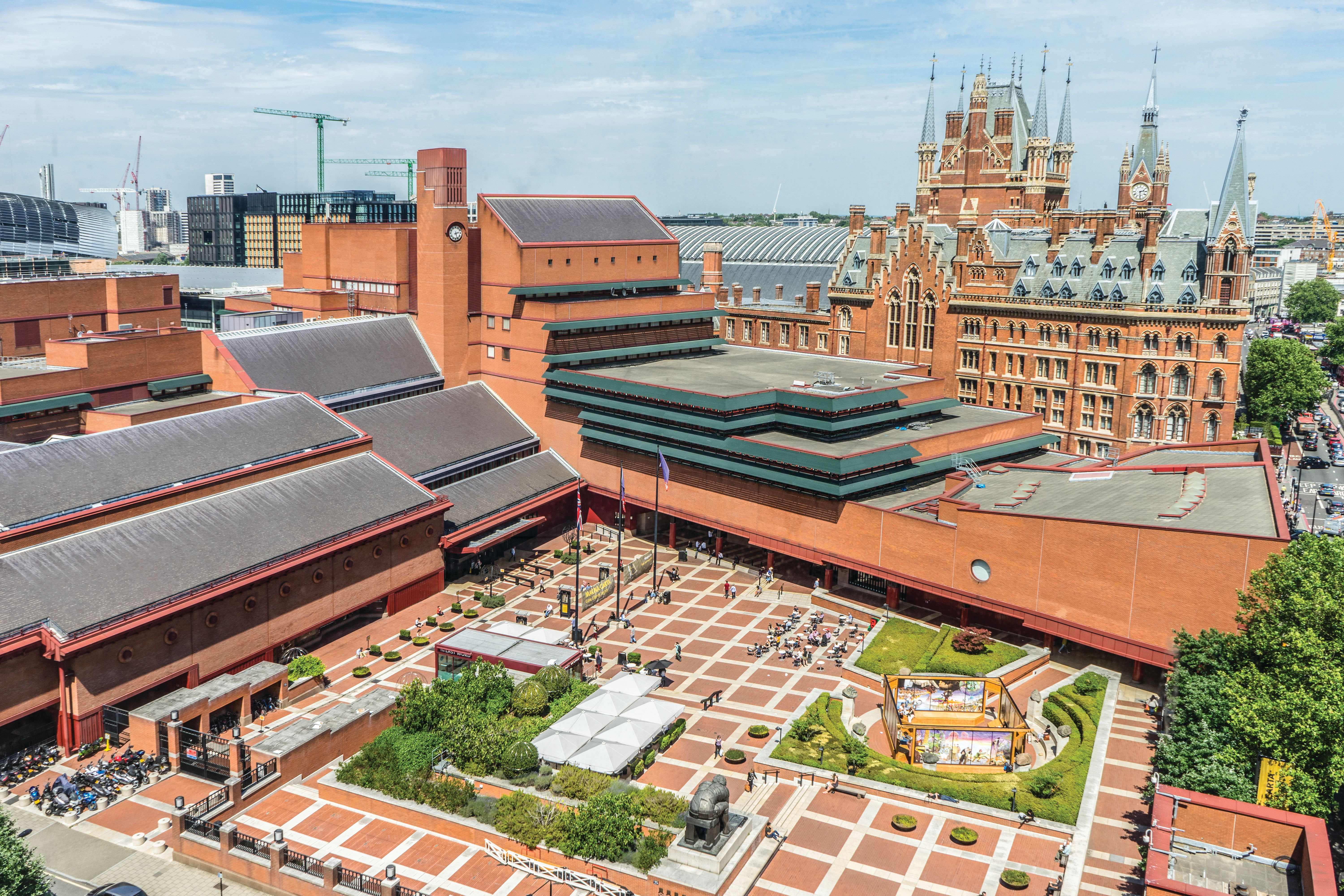
The papers of Arthur John Hopkinson (1894–1953), Indian Civil Service 1920–1947, have been catalogued and are available for researchers to view in the British Library’s Asian and African Studies Reading Room.

12 January 2026

Blog series Untold lives

Author John O'Brien, India Office Records

A new addition to the India Office Private Papers has been catalogued and is available for researchers to view in the British Library’s Asian and African Studies Reading Room. The collection consists of letters, diaries, maps, newspaper cuttings and photograph albums relating to the life and career of Arthur John Hopkinson (1894-1953), British Army 1914–1918 and Indian Civil Service 1920–1947.

Hopkinson was born on 28th November 1894, youngest of five children of Canon Charles Hopkinson, rector of Whitburn, Sunderland, and his wife Laura Blumer. He was educated at Marlborough College, and Exeter College, Oxford where he studied classics. In August 1914, he was travelling in Germany when War was declared. He returned to England and joined the Durham Light Infantry. He served on the Western Front until his capture in July 1918, spending the last months of the War in a German POW camp. In 1920, he joined the Indian Civil Service and served in various posts across India until 1948. On leaving India, he became an Anglican priest, serving as curate in Whitby, then as Vicar of Aislaby, where he died in 1953.

A black and white photograph of British Soldiers walking through a street in Vermelles. Some soldiers have been bandaged and others are being supported as they walk. The buildings on the sides of the street are damaged from war and there are military vehicles in the background.

Wounded British troops returning through Vermelles after the attack on the Hohenzollern Redout, 13th October 1915. © Imperial War Museum

Hopkinson’s service during the First World War is captured in two folders of letters he wrote to his parents in England between 1914 and 1918. Hopkinson joined the 4th Durham Light Infantry and was sent to France where he was attached to the 2nd Battalion Northumberland Fusiliers. The letters describe his life on the Western Front. He was seriously injured twice during the conflict, first on the 1st October 1915 at "Big Willie" trench in Hohenzollern Redoubt, and again in February 1917. On regaining his health in 1917, he was sent back to France and attached to the Intelligence Department, 4th Army, British Expeditionary Force, as an intelligence officer. In July 1918, he was captured while interviewing prisoners in the area southwest of Rheims. The last of his letters from this period is from the prisoner of war camp at Ingolstadt. The collection also includes a folder of letters of his brother Frank, who also fought on the Western Front as a Transport officer with the 11th Battalion, Durham Light Infantry. On 2nd August 1917, he was seriously wounded, and the collection includes a fascinating letter from his mother, dated 7th September 1917, to his father giving a report on his recovery in which she talks of the nurses and other patients she had met in the hospital in France.

The collection includes letters relating to Hopkinson’s career in India, including notes on a tour through Waziristan in 1934, and an account of the return voyage from England to India taken by Hopkinson and his family in 1938 prompted by the fear of war in Europe. There is also journal letters sent to his parents in England, including from Tibet when he was Political Officer for Sikkim, Bhutan and Tibet in 1945. In them he wrote about an official visit to the Dalai Lama, an account of Palden Lhamu procession, a visit to Drepung Monastery, and a description of a visit to Sera monastery and a young Incarnation, and the Feast of Tsongapa.

A black and white photograph of the Sera Monastery in Tibet, a stone building in front of a rocky hillside.

Sera Monastery, Tibet c. Sep 1904. Curzon Collection. Photo 430/53 (60). British Library

There are eight albums of fascinating photographs illustrating Hopkinson’s time in India, including:

  • Photographs taken in Chitral while Hopkinson was Assistant Political Agent
  • Photographs taken in Tibet when he was Assistant Political Officer for Sikkim, Bhutan and Tibet and British Trade Agent in Gyantse in the 1920s
  • Photographs taken in the Kathiawar Princely States when he was Political Agent in Kathiawar, 1928-1930
  • Photographs showing people and places in the North West Frontier Province, plus a visit by Hopkinson to Kabul in 1932, and taken of Nanga Parbat while on a flight to Gilgit in 1934
  • Photographs taken while Hopkinson was Assistant Political Officer for Sikkim, Bhutan and Tibet 1944-1947, including on a tour of duty in Lhasa to negotiate a trade treaty with the Tibetan Government, and of a journey to Bhutan in 1947 to present to the Maharaja the insignia of the K.C.S. awarded to him by the Indian Government.

Further reading

Papers of Arthur John Hopkinson (1894-1953), Indian Civil Service 1920-1947, Mss Eur F775 – a paper catalogue of the contents is available to consult in the Asian and African Studies Reading Room.

Other Hopkinson Papers are catalogued as Mss Eur D998: Papers of Arthur John Hopkinson, Indian Civil Service, United Provinces 1920-24, Indian Political Service 1924-47.

A summary of Hopkinson’s career in the Indian Civil Service can be found in The India Office and Burma Office List 1947 (London: HMSO, 1947).

The Tibet Album, British Photography in Central Tibet 1920-1950

Illustration of a policeman directing directing busy horse-drawn traffic.

Untold lives series

This blog is part of our Untold Lives series, sharing stories of people’s lives from our collections. Stories from around the world, from the dawn of history to the present day, are told through the written word, images, audio-visual and digital materials.

We hope to inspire new research and encourage enjoyment, knowledge and understanding of the British Library and its collections.