Fairy Tales: a celebration of storytelling
Explore fairy tales from around the world in our new exhibition.
27 March 2026Explore fairy tales from around the world in our new exhibition.
27 March 2026Blog series English and drama
Author Laura Walker and Alison Bailey, Lead Curators, Fairy Tales exhibition
The British Library’s exhibition on Fairy Tales opens today after about four years of planning and preparation. Taking over the two main galleries, it celebrates tales of magic, wonder and enchantment from across the generations. Although aimed primarily at a family audience – there is something for everyone.
In all, we are displaying examples of over 50 different tales from across the world, from Europe, Asia, Africa and the Americas.
There are almost 170 items on show in the exhibition dating from the 16th to the 21st century. The wide range of objects displayed includes books, manuscripts, stamps, photographs and artworks from the British Library’s collections.

Four different editions of Cinderella on display in the Fairy Tales exhibition.
We also have a number of loans – 35 in all – both from national institutions such as the British Museum and Victoria & Albert Museum and from contemporary artists and illustrators. This allowed us to present more recent retellings and re-imaginings of the stories and to provide more diverse representation.
The galleries have been transformed into a story world that appears to have sprung from the pages of a book, using scenic painting and theatrical set pieces. Alongside these are rhyming panels, story labels and playful prompts that encourage families to dig deeper into questions raised by fairy tales. We also have diverse interactives that engage different ages and learning styles. Whether sitting for breakfast with the three bears, creeping carefully over the troll bridge or awakening our magic mirror visitors are encouraged to explore and discover wonderful stories, and perhaps consider a new fairy tale they might tell.

The gingerbread cottage.
The exhibition begins at the fireside with a story about storytelling. The opening section features folk tales, fables, trickster tales, myths and legends in a display of vibrant picture books together with an early printed copy of Mulan and a beautifully illustrated manuscript of the fable of the sandpiper from Anvār-i Suhaylī (Lights of Canopus) created in India in the 17th century. Early editions by Charles Perrault, Madame d’Aulnoy, the Brothers Grimm and Hans Christian Andersen reflect the Western European fairy tale tradition. Of particular interest is Mervyn Peake’s original artwork for the title page of Household Tales by the Brothers Grimm. It depicts a wonderfully fluorescent fairy tale world with a range of characters.

Ḥusayn Vāʻiẓ Kāshifī, Anvār-i Suhaylī (Lights of Canopus). India, 1604-1611. Add MS 18579, f.104r.

Mervyn Peake, original artwork created for the title page of Household Tales by the Brothers Grimm. UK, 1943–46. Add MS 89724/13/1, f.1.
From this introductory area, the visitor enters the first of three central sections, each of which highlights a different well-known fairy tale and focuses on one of the main ingredients of fairy tales: characters, magic and animals.
First, in the deep, dark woods, we explore the many iterations of Little Red Riding Hood from an early edition of Perrault, via enticing pop-ups and a cuddly wolf, to Alex T. Smith’s illustrations of Little Red and the Very Hungry Lion.
Then the focus moves to the different characters within fairy tales – what is heroic behaviour? what lies behind the role of villains, are they evil or misunderstood?

‘Into the Woods’: a selection of works relating to Fairy Tale villains.
Next, at the palace, different versions of Cinderella introduce the theme of magic. Here we have editions by famous illustrators such as Arthur Rackham, George Cruikshank and Edmund Dulac – together with contemporary movables and examples of similar tales such as Hachikazuki (The Girl with the Kneading Bowl) from Japan and Rushen Coatie from Scotland.
Our exploration of magic includes examples of spells, curses, wishes and magical objects. The section is introduced by a striking panel of a scene from Sleeping Beauty from Waddesdon Manor, on loan from the Rothschild Foundation. We include stories such as Rumpelstiltskin and the variant tale of Tom Tit Tot from Norfolk, similar tales The Magic Porridge Pot and Anansi and the Golden Pot, together with Hans Christian Andersen’s The Snow Queen.
The third section, in a land of mountains and waterfalls far away, begins with an exploration of the different ways in which the beast in Beauty and the Beast has been depicted. Illustrations from the 19th century by Walter Crane and Eleanor Vere Boyle sit alongside a startling 21st-century pop-up by Robert Sabuda.
This leads us to a consideration of animal transformations in tales as different as The Fisher-Boy Urashima, East of the Sun and West of the Moon, and Rukai Pearl. Then we reflect on talking animals – whether pigs, wolves, lions, tigers, jackals, cats or birds.

B.H. Chamberlain, ‘The Fisher-Boy Urashima’ from Japanese Fairy Tale Series, no. 8. London, 1885-1888. 11100.a.4.(8.).
We also have incredible pop-ups, contemporary picture books and original artworks of fantastical creatures – mermaids, dragons, elves and Aziza.
The final section explores the influence of fairy tales in other literary works and their continuing evolution, whether they are reimagined and retold as new stories or whether their meanings and messages are developed, used allusively, or challenged. Here visitors can read different versions of the many stories and perhaps create their own.
Fairy Tales: a family adventure through magical worlds and enchanted stories is open until 23 August 2026.
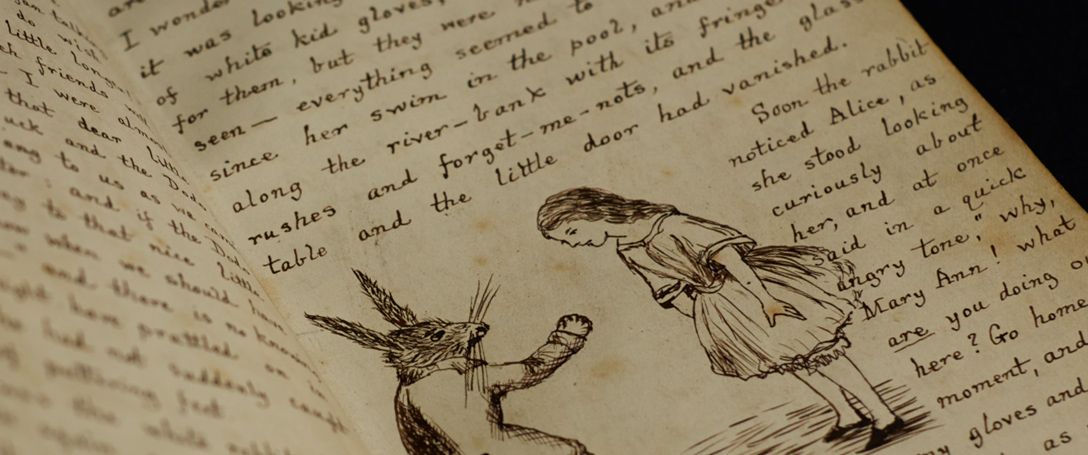
Discover more about our literature and theatre collection from the 16th century to the present day.
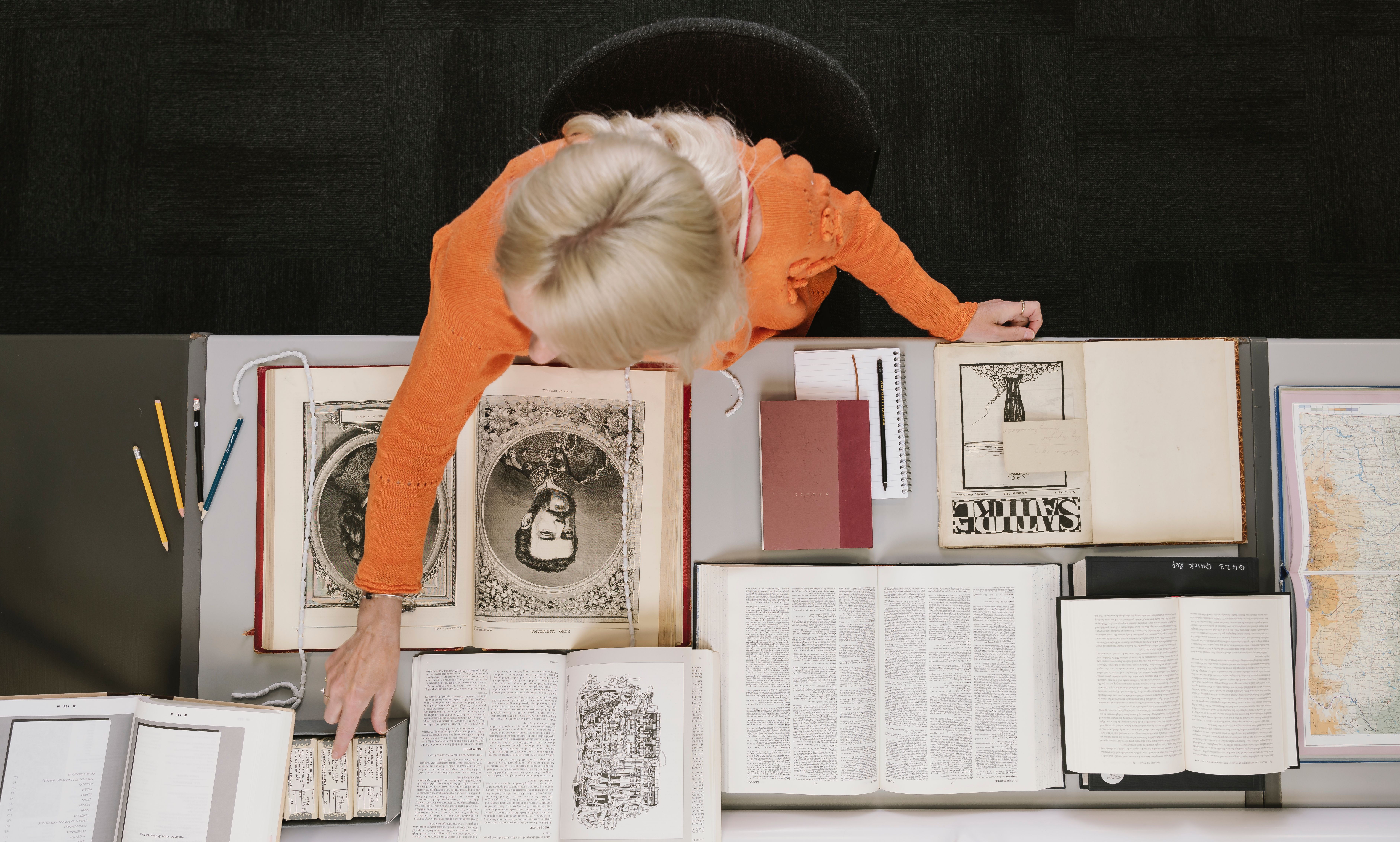
Explore the British Library's collection of over 170 million items, such as books, manuscripts, newspapers, maps, sound recordings, photographs and digital resources