Holocaust Memorial Day 2026
To commemorate the anniversary of the liberation of Auschwitz concentration camp we provide a selection of survivors’ stories from our collection.
27 January 2026To commemorate the anniversary of the liberation of Auschwitz concentration camp we provide a selection of survivors’ stories from our collection.
27 January 2026Blog series Social Science
Author Debbie Cox
This Holocaust Memorial Day marks the 81st anniversary of the liberation of Auschwitz-Birkenau concentration camp by the first Ukrainian Front on the 27th of January 1945.
The theme for this year's commemoration is ‘Bridging Generations’ and it is described more fully on the UK website dedicated to Holocaust Memorial Day. Libraries and archives play a crucial role in preserving the stories and experiences of Holocaust survivors. Personal narratives provide an important means of connection and understanding. Here is a selection of books that present the personal experiences of individuals who survived genocide during the Nazi Holocaust, and also the more recent genocide in Bosnia, including the Srebrenica massacre in July 1995.

The daughter of Auschwitz, by Tova Friedman and Malcolm Brabant. Toronto, Ontario: Hanover Square Press, 2022, shelfmark m23/.10084.
Born in Tomaszów Mazowiecki, Poland, in 1938, Tova Friedman was four when she and her parents were sent to a Nazi labour camp and almost six when she and her mother were forced into a packed cattle truck and sent to Auschwitz II, also known as the Birkenau extermination camp. Her father was transported to Dachau. Supplemented by the research of former war reporter Malcolm Brabant, the book presents her recollections of the atrocities she witnessed during six months of incarceration in Birkenau.

Émigré voices: conversations with Jewish refugees from Germany and Austria. Edited by Bea Lewkowicz and Anthony Grenville. Leiden: Brill, 2022, shelfmark ZA.9.a.10762(21).
Lewkowicz and Grenville present twelve oral history interviews with men and women who came to Britain as Jewish refugees from Germany and Austria in the late 1930s, including author and illustrator Judith Kerr and the actor Andrew Sachs. The narratives of the interviewees tell of their common struggles as child or young adult refugees who had to forge new lives in a foreign country and they illuminate how each interviewee dealt with the challenges of forced emigration and the Holocaust.

One hundred Saturdays: Stella Levi and the search for a lost world. By Michael Frank and Stella Levi. New York: Avid Reader Press, 2022. Shelfmark m23/.10123.
The book presents a series of conversations between ninety-nine-year-old Stella Levi and the writer Michael Frank over the course of six years. Levi’s recollections bring to life the vibrant world of Jewish Rhodes, the deportation to Auschwitz that extinguished ninety percent of her community, and her resilience as a survivor.

Voices from Srebrenica: survivor narratives of the Bosnian Genocide. By Ann Petrila and Hasan Hasanović. Jefferson: McFarland, 2021. Shelfmark YKL.2022.b.2126.
In July 1995, when the small town of Srebrenica in eastern Bosnia fell to Serbian forces, 12,000 Muslim men and boys fled through the woods, seeking safety. Hunted for six days, more than 8,000 were captured, killed at execution sites and later buried in mass graves. The book presents harrowing personal narratives by survivors, revealing stories of individual trauma, loss and resilience.

The last refuge, by Hasan Nuhanović, translated by Alison Sluiter and Doris Bonkers. London: Peter Owen, 2019. Shelfmark YKL.2020.a.6682.
‘We went to the mountains of eastern Bosnia to hide from the war. As if a forest could shield you from a war. The war flies, reaches you in a second. It runs through the walls, over the mountains and rivers. It enters your mind, and your heart and your soul and refuses to leave . . .’ The Last Refuge presents a first-hand account of the barbarism of the years leading up to the massacre in Srebrenica, survival and reflection. Reviewing the book in the Georgetown Journal of International Affairs Carly Kabot writes, ’Nuhanović’s life is a testament to human persistence. The Last Refuge humanizes conflict, acting as a compelling reminder that we must never forget that behind every headline, every statistic, and every photograph, there is an individual struggling to survive.’
These books are among the many personal testimonies of genocide, alongside others that consider how these memories may be kept alive and put to the service of remembrance and understanding. We also hold editions of If this is a man and The Drowned and the Saved by Primo Levi, one of the most prolific authors who survived the Holocaust, and we have many translations and scholarly articles on Anne Frank's diary.
The British Library is a partner in Holocaust Testimony UK an initiative of the UK Government and the Association of Jewish Refugees created to advance Holocaust education by providing user-friendly access to thousands of recorded interviews with Holocaust survivors and refugees from Nazism who faced discrimination, antisemitism, segregation, persecution, violence and displacement. The portal also shares interviews with rescuers and liberators.
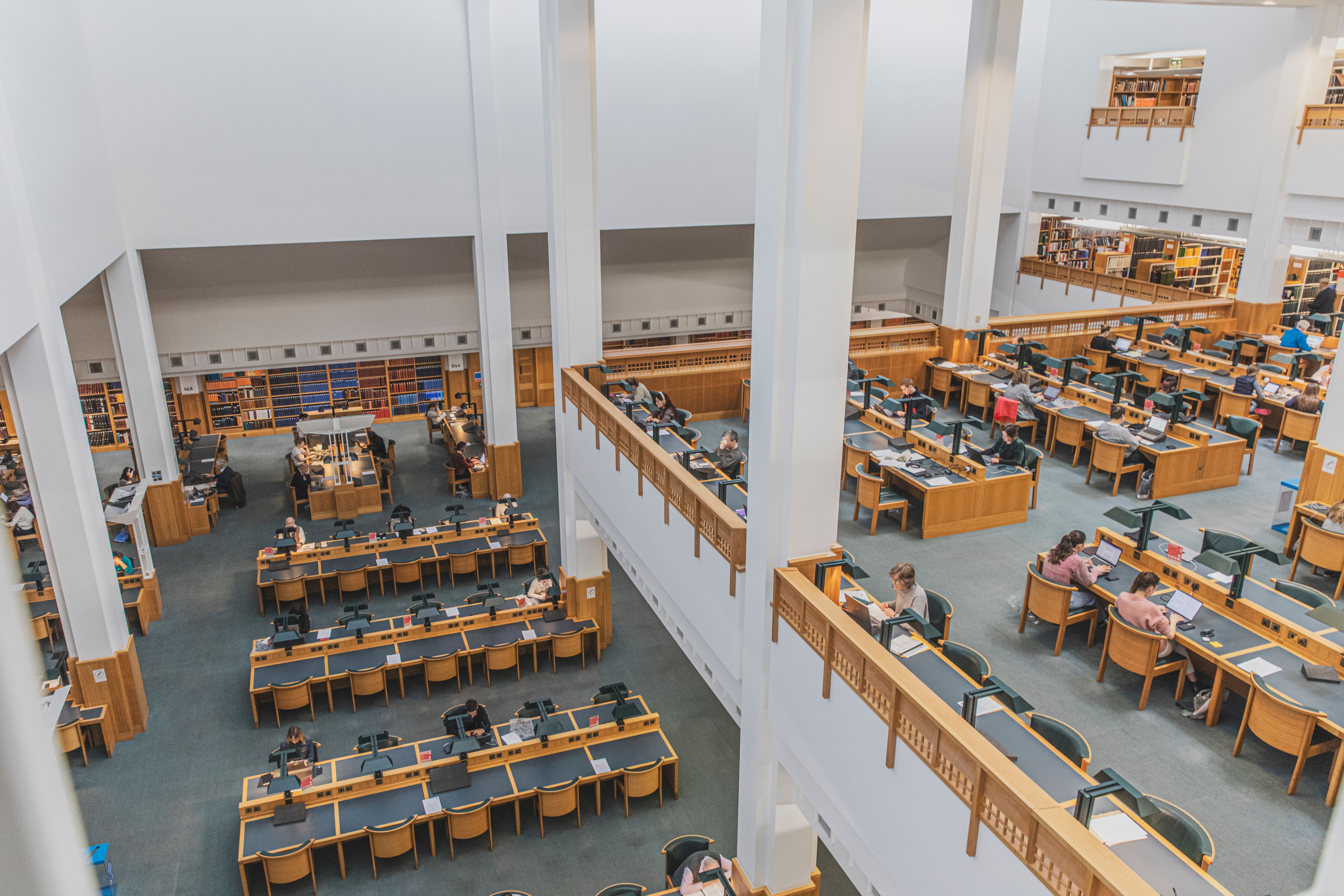
The books presented here were received in print form and are stored at the Library's Yorkshire site, available for readers to order in advance of their visit.
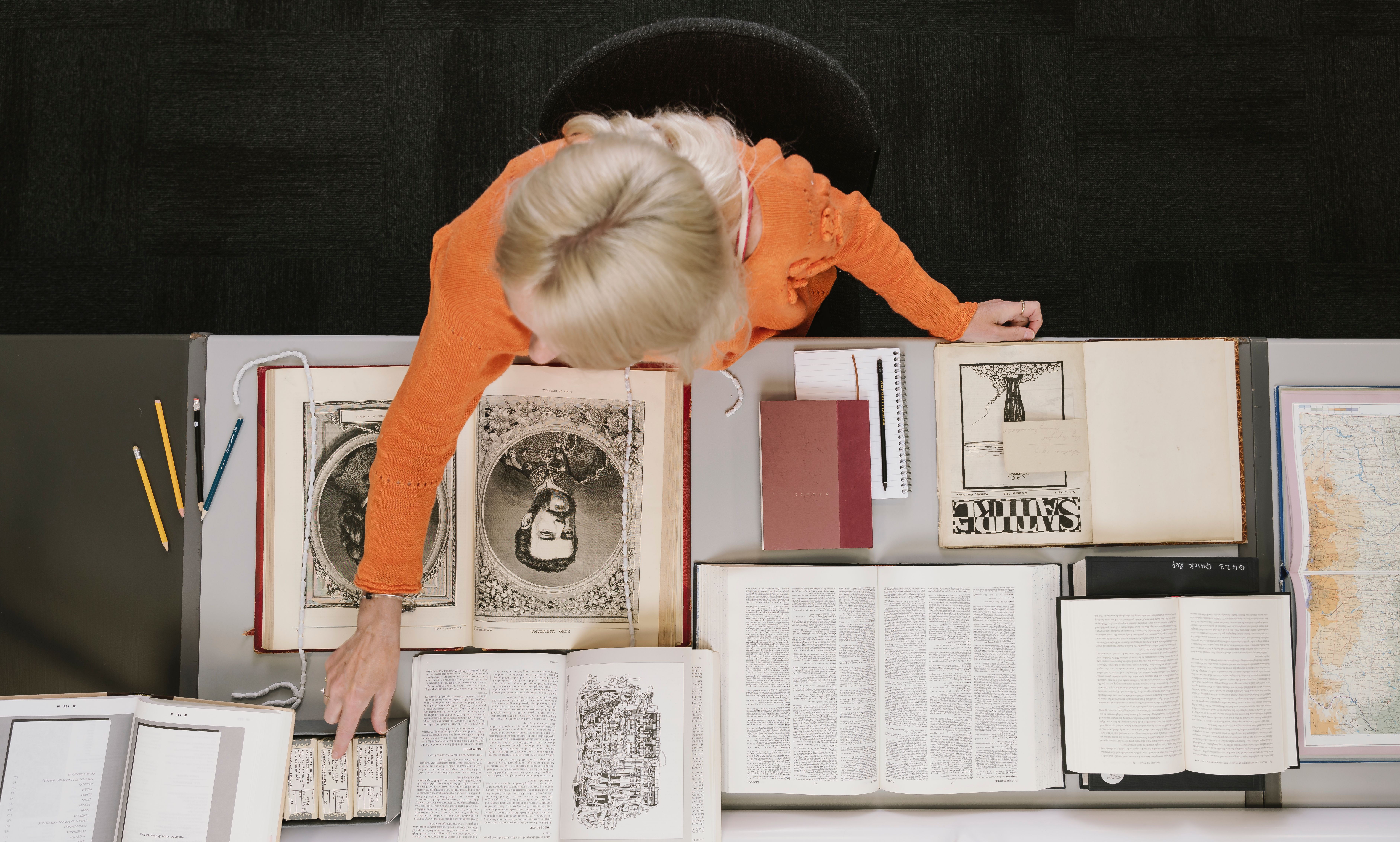
Explore the British Library's collection of over 170 million items, such as books, manuscripts, newspapers, maps, sound recordings, photographs and digital resources

Social science series
This blog is part of the social science blog series, highlighting collections, resources, projects and events at the British Library relevant to research in the social sciences. This includes politics, economics, sociology, law, cultural and media studies. Bloggers include our curators and also guest blogs by academics, students and practitioners.