International Women's Day 2026
Our collections provide an historic overview of the pioneers and feminist movements that inspired change and improved women’s rights
2 March 2026Our collections provide an historic overview of the pioneers and feminist movements that inspired change and improved women’s rights
2 March 2026Blog series Social Science
Author Ben Hadley
International Women’s Day celebrates the achievements of women and girls throughout the world and offers an opportunity to reflect on their contribution to an equal society based on shared values. This year’s theme ‘Give to Gain’ is a call to action to improve knowledge, experience and contribute to women’s advancement through education and training. Our core purpose ensures that the services we offer are for everyone and we aim to stimulate research in all disciplines. Our curators and archivists work tirelessly to collect and promote stories of women’s lives that are rarely acknowledged in official histories.
The new catalogue provides easy access to the collection items and some of our electronic resources are now available to registered readers. Researchers can access an infinite range of historical sources, essays and social studies in the reading rooms and our extensive range of biographies and encyclopaedias provide insight into key figures from Emmeline Pankhurst and Marie Curie to Rosalind Franklin and Rosa Parks.

Sisterhood and after: an oral history of the women’s liberation movement, 1968-present (Margaretta Jolly, Oxford University Press) draws on interviews to paint a picture of lives shaped by race, class, gender and sexuality from the 1970s to the present. It reveals extraordinary insight into ‘second wave’ feminism and provides personal accounts of national and less well-known activists.
Since the 18th-century feminist movements have campaigned to improve women’s freedoms, increase social integration and protect women and girls from domestic violence and sexual harassment. During the 20th century many iterations of feminist thought emerged and intersected with class struggles and marxist theory.
Mary Wollsoncraft argued that women should have the same fundamental rights to property and education as men in A Vindication of the Rights of Woman (1792). Early editions of this work are held in the collection as are her posthumous works and memoirs.

For those who wish to examine the long history of women’s movements we can provide access to official documents on the campaign for women’s suffrage in Britain, 1903–1928, and the granting of women’s suffrage in colonial territories, 1930–1963. Digital versions of these documents are available via the ‘Women in the National Archives’ database. This resource also provides information on equal opportunities and pay, maternity and child welfare, single parents and trade unions.
The ‘Women’s Studies Archive’, available to use in the reading room, spans multiple geographic regions from Africa, Europe and Asia. It contains material from Jewish, Muslim and Quaker communities and includes a range of topics from the abolition of slavery to education and social reform. Digital versions of our collection of Women Printing Society publications, 1874-1943 provide an insight into the moral and social attitudes to women during this period and it is a rich source of information for social scientists and historians.
As the field of women’s studies continues to expand students can apply interdisciplinary research methodologies to inform new perspectives. Online databases provide access to abstracts and indexes that make discovering collection items easier. Open shelf monographs provide the latest insight into topics that intersect with feminist theory.
‘Women and the Law’ is a comprehensive database of books, biographies and periodicals that explore the progression of women’s rights over the past 200 years. Primary sources consider a wide field of topics and legal biographies detail significant women in the legal profession.
Feminist Theory: Local and Global Perspectives (Carol McCann, Routledge) contains a series of essays on key debates within multiracial and transnational US feminisms. The introduction explains how these discussions can be linked to historical power relations of race, colonialism, class and gender, and how power structures run through systems of governance, legal procedure and political influence.
Readers can examine parliamentary acts and legal instruments using government publications, law resources and UK parliamentary papers in the social sciences reading room. Printed copies of parliamentary papers can be ordered from the basement and debate records from the civil wars to the birth of empire are held on the ‘British Parliamentary History, 1102–1803' database.
For more information on how to access the collections you can ask a librarian or refer to our reference service guides.
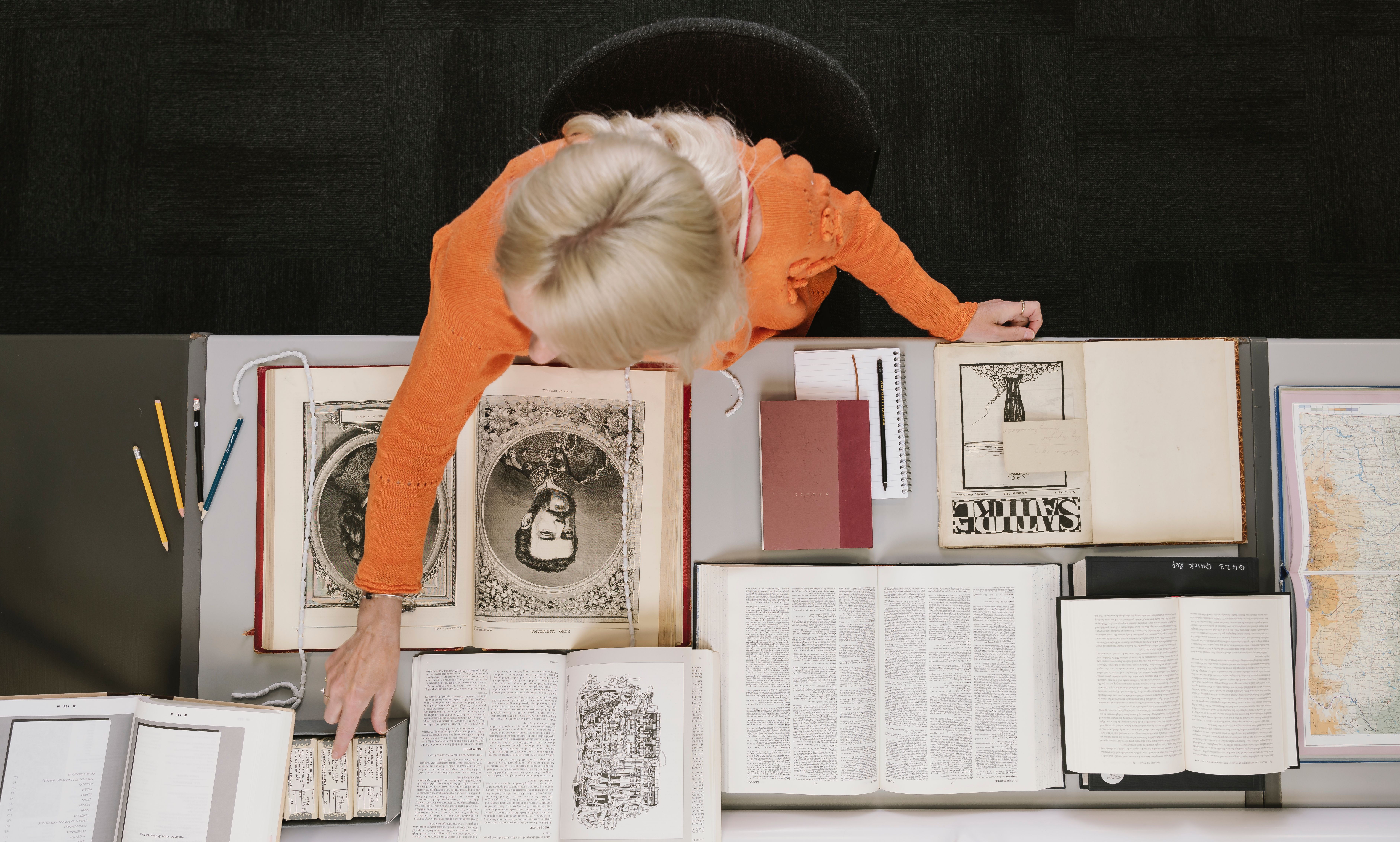
Explore the British Library's collection of over 170 million items, such as books, manuscripts, newspapers, maps, sound recordings, photographs and digital resources

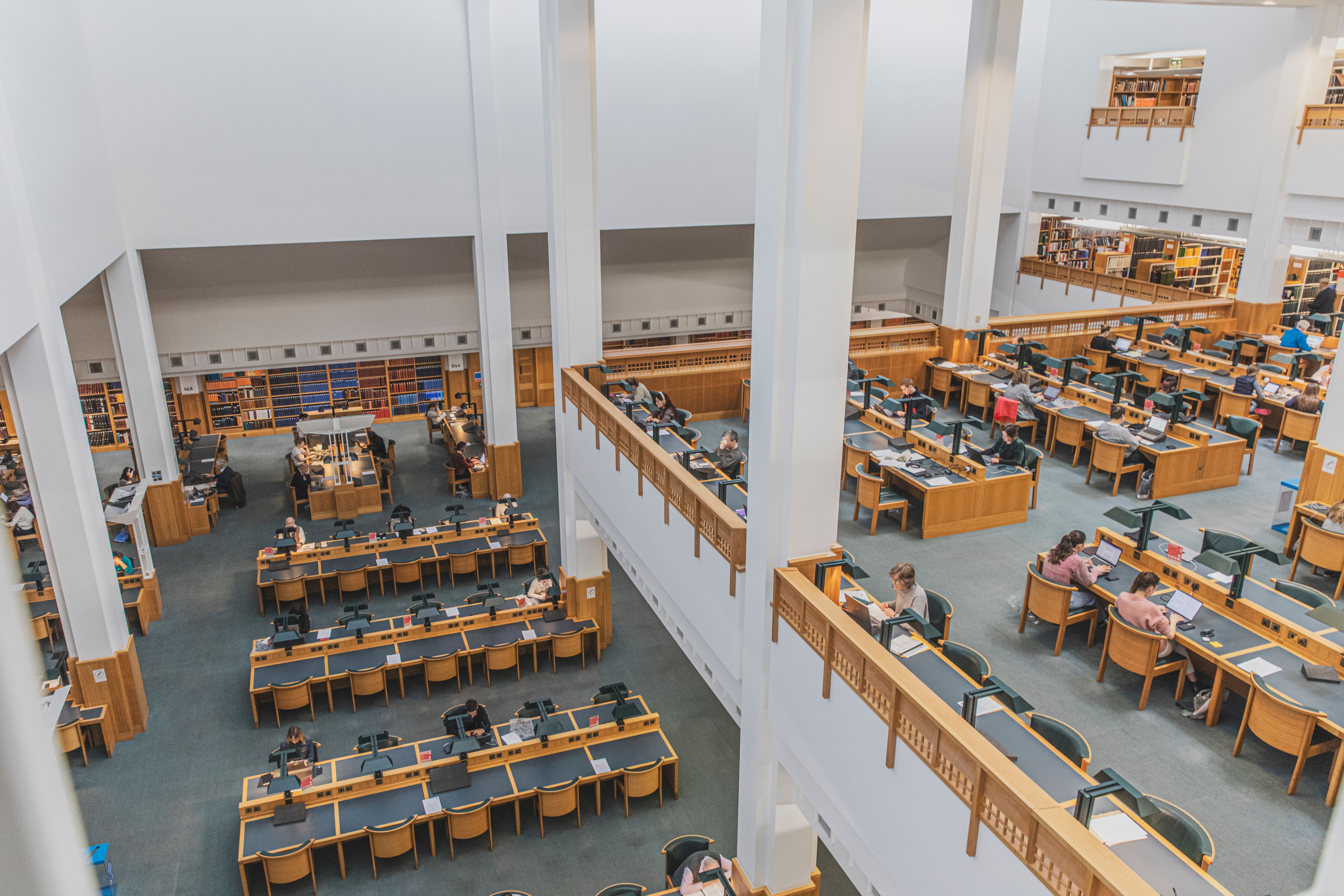
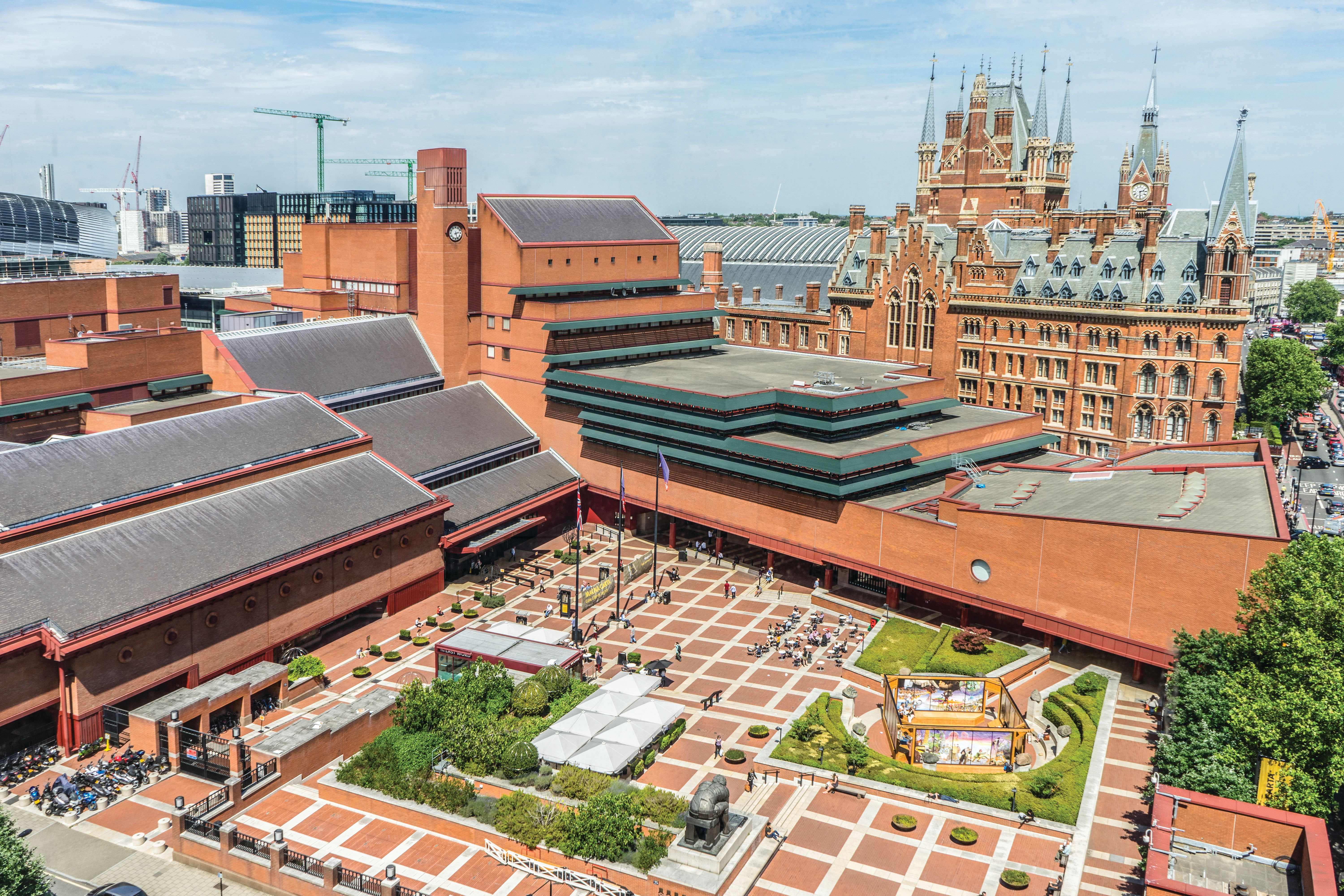
Social science series
This blog is part of the social science blog series, highlighting collections, resources, projects and events at the British Library relevant to research in the social sciences. This includes politics, economics, sociology, law, cultural and media studies. Bloggers include our curators and also guest blogs by academics, students and practitioners.